


Power Conversion System (without isolation transformer)
Category:
keyword:
Solar Panels 丨 Solar Inverters
Description
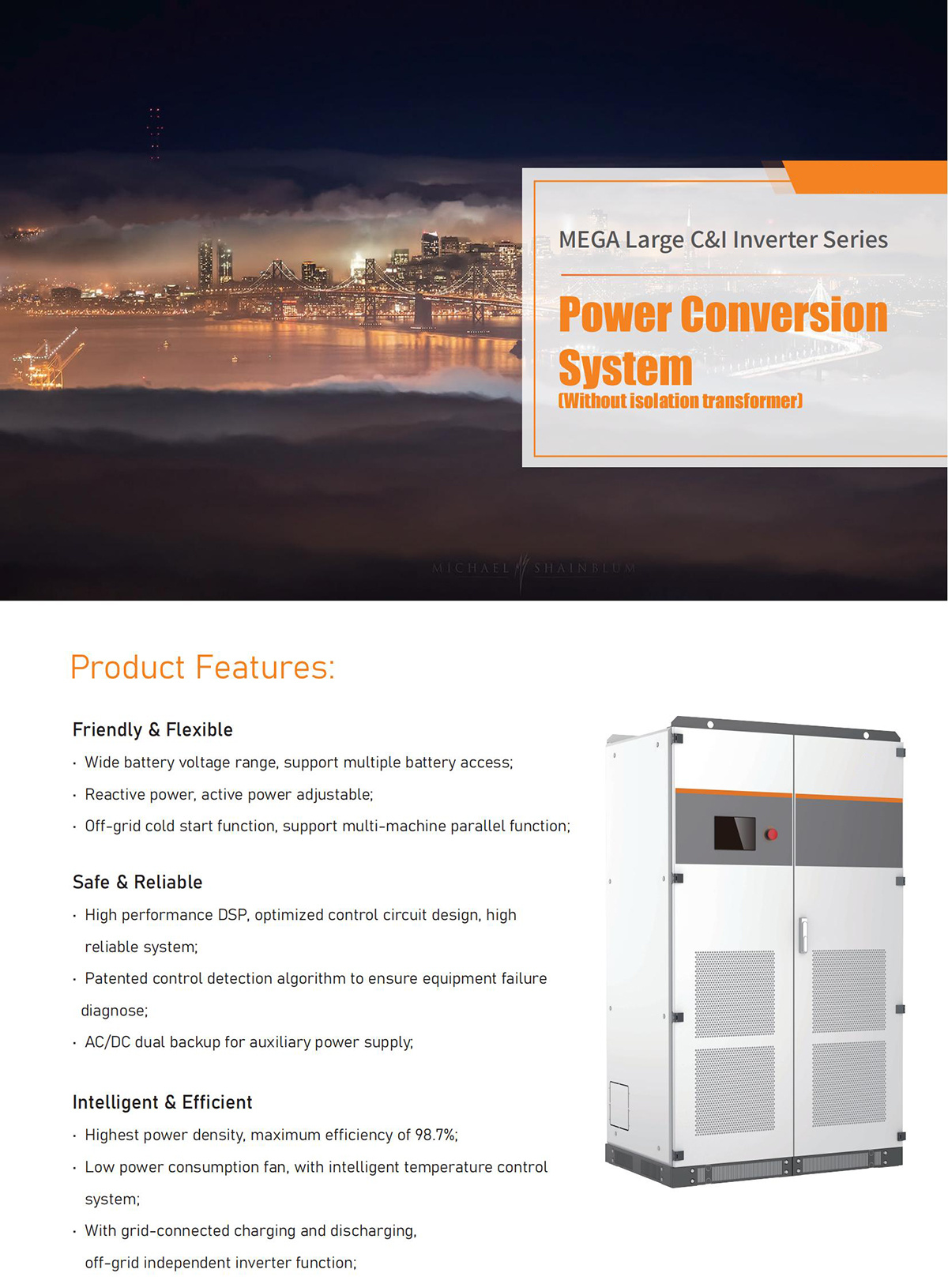
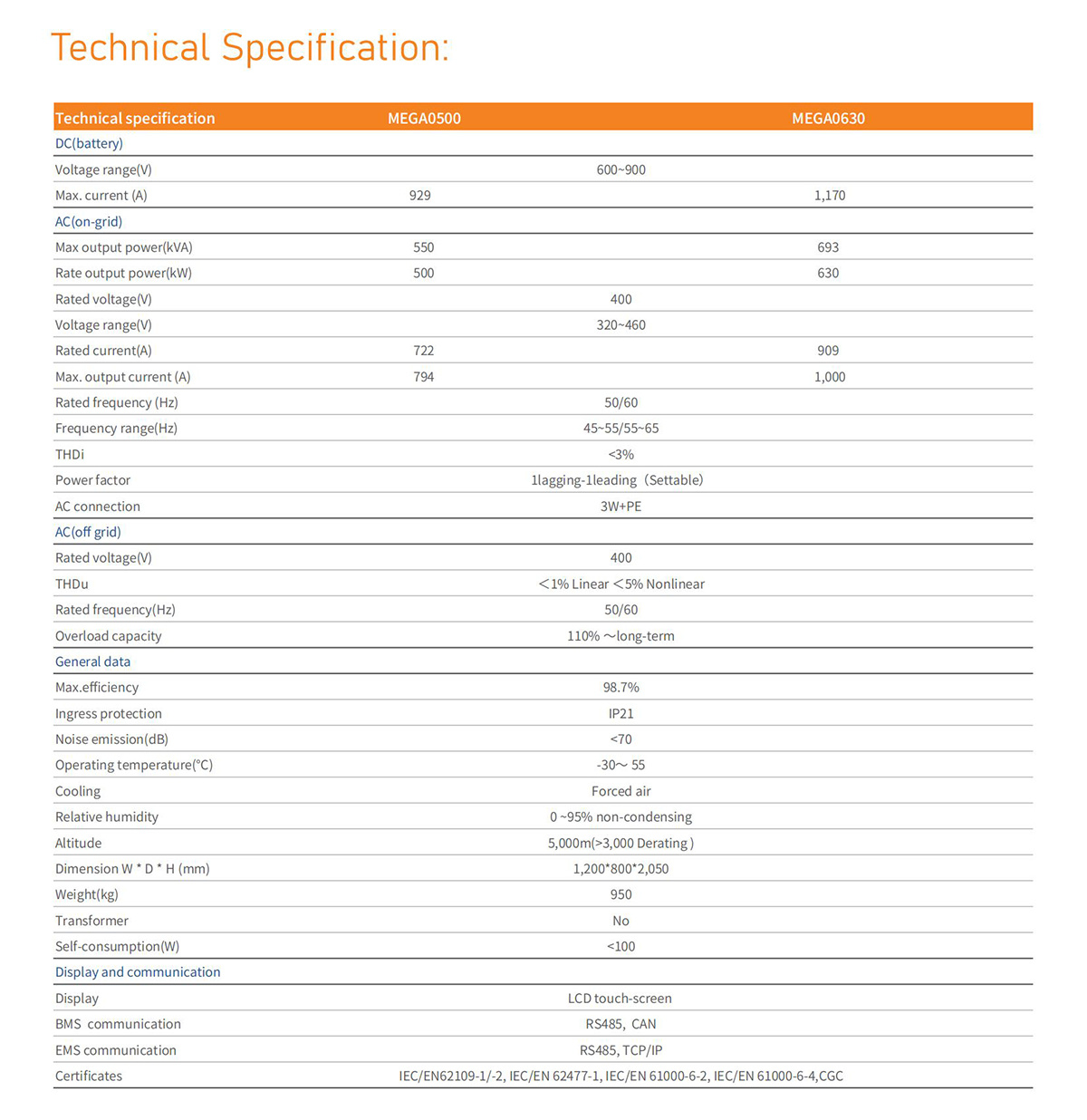
An Inverter Energy Storage System represents the core technological integration that transforms stored energy into usable power for your home or business. Far more than a simple battery bank, this system combines a high-performance bidirectional inverter with sophisticated battery storage and intelligent control software into a unified solution. The inverter's primary role is to efficiently convert the direct current (DC) electricity from solar panels or batteries into the alternating current (AC) power required by your appliances and the grid. This seamless conversion is what enables the critical functions of modern energy independence: storing surplus solar energy, providing backup power during outages, and allowing for intelligent energy arbitrage. By choosing a robust inverter energy storage system, you invest in the essential brain and muscle that actively manages, optimizes, and dispatches your on-site power.
The true value of a modern inverter energy storage system lies in its advanced grid interaction and smart energy management capabilities. High-quality systems feature inverters with multiple operating modes, allowing them to function in grid-tied, off-grid, or hybrid configurations. An integrated Energy Management System (EMS) constantly analyzes energy production, consumption, utility rates, and weather forecasts. It then autonomously makes real-time decisions—charging the batteries with excess solar, powering your home from the batteries during peak tariff periods, or injecting power back to the grid when beneficial. This intelligent orchestration by the inverter energy storage system ensures maximum self-consumption of renewable energy, significant reduction in electricity costs, and enhanced support for grid stability, turning a passive storage unit into an active financial and operational asset.
When selecting an inverter energy storage system, key considerations include power rating, scalability, and battery chemistry compatibility. The inverter's continuous power output must align with your home's critical load requirements during an outage. A modular system design allows for future expansion of battery capacity to meet growing energy needs. Furthermore, compatibility with safe, long-lasting lithium iron phosphate (LiFePO4) batteries is now a standard expectation for durability and safety. A well-engineered inverter energy storage system is designed for reliability, with features like seamless transition to backup power (typically in less than 20 milliseconds) and robust surge capability to start demanding appliances. Ultimately, it delivers not just energy security, but also the intelligent control required to build a truly resilient and cost-effective personal energy ecosystem.
Related products
Online consultation

WhatsApp:
+86 19156077798
Email:info@munenergy.com
Add: Building 29, Xiangxin Chuanggu Industrial Park,
Tangkou Road, Economic and Technological Development Zone, Hefei City, Anhui Province
Copyright © Anhui MNLC Green Energy Co., Ltd. All Rights reserved. | SEO